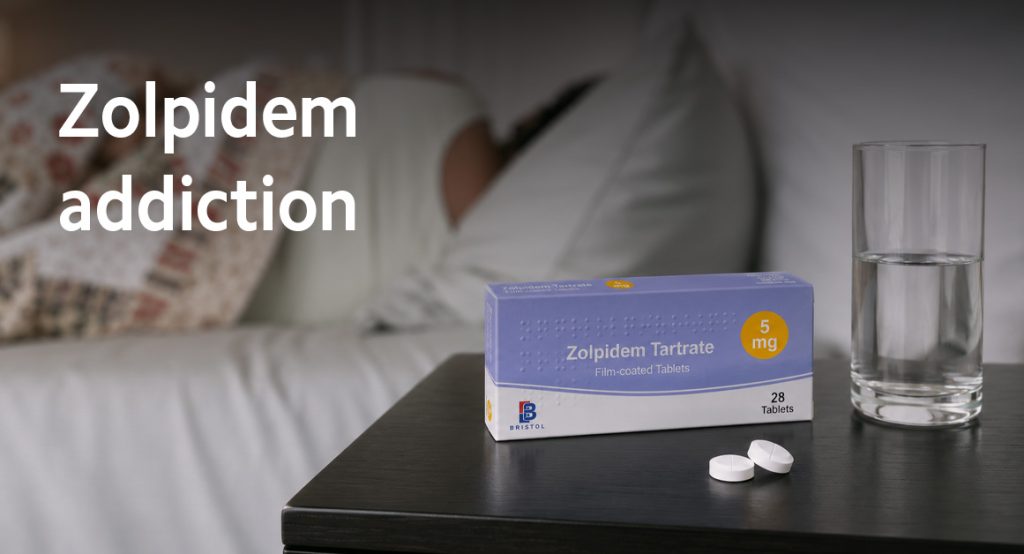
Due to strong sedative effects, Zolpidem carries high risk of addiction. It can cause psychological and physical addiction that impacts the natural sleep cycle. But it’s manageable and can be reversed through the right medical approach. Identifying the addiction signs at the initial step, can help people to seek medical support at nip. Proper medical guidance can manage dependence through controlling drug dose. It rehabs the body’s capability to cope with symptoms gradually.
You can get original quality Zolpidem through Cheap UK Pills. We source our products through trusted manufacturers. Our online store delivers all orders at doorsteps, for more convenience we offer next day delivery too.

How to Know about Zolpidem Addiction?
If a user experiences uncontrolled use of zolpidem and his body gets accustomed, despite harmful effects, these are signs of addiction. The patient is unable to sleep without sleeping pills and rush to take more than prescribed dose. The constant fear leads users to use beyond suggested time and off-labelling drugs.
Here, it’s important to discuss the difference between addiction and physical dependence.
- Physical dependence means a condition in which the body adapts to medicine and shows withdrawal symptoms if dose is missed or reduced.
- Whereas, addiction is about uncontrolled use of medicine despite having harmful effects. In some cases both can exist at same time, even though they are not identical.
The NHS guide suggests to use Zolpidem from a few days to a few weeks only. Adding a limit of 4 weeks in terms of long-term treatment. As beyond this duration the body may lose response to it and lead to tolerance.
Common Signs in Zolpidem Addiction
Early diagnosis of a condition helps to hold problems at roots. Therefore identifying the warning signs at an early stage can prevent serious outcomes. If you are on prolonged treatment of Zolpidem, consider signs given below, they are the steps towards addiction of Zolpidem.
- Increasing dose to obtain desired effect
- Using it longer then prescribed duration
- Inability to sleep without taking medicine
- Constant worry or craving to take more then advised dose
- Repeated attempts to stop yet failing
- Unable to stop it despite harmful effects
These signs do not automatically establish addiction, these are just indications of condition. Only a medical expert can assess and determine whether its tolerance, dependence, problematic use or another sleep-related condition.
Serious Risks with Zolpidem Addiction
Beside developing addiction, inappropriate use of zolpidem can affect overall wellbeing. Possibly it can risk to develop:
- Daytime sleepiness and constant dizziness.
- Impaired memory and reduced alertness.
- Risk of accidental falls for older adults.
- Inducing dependence and withdrawal symptoms.
- Respiratory depression and unconsciousness in case of overdose.
Zolpidem addiction can transform into complex behaviours like sleep walking, eating or other casual activities in senseless conditions. Even forgetting everything afterwards.
Zolpidem contains high interaction with alcohol, opioids and other sedatives, giving dangerous results including excessive sedation and breathing problems. Seek urgent medical care if you develop signs like difficulty in waking or shallow breathing.
How to Reduce the Risk?
Safe use of medicine starts by following your prescription plan. And following up with a medical expert about ongoing sleep problems. In addition, make sure to follow these points, to reduce risk of Zolpidem addiction:
- Always follow the prescription, never take an extra dose before discussing it with the doctor.
- Always try to keep Zolpidem treatment for the shortest time possible with minimal effective dose.
- Do not use alcohol during treatment with Zolpidem.
- Refrain from sharing prescriptions with anyone.
- In long-term treatment, seek for gradual dose reduction advice before stopping it.
- CBT is another reliable approach if you want to counter Zolpidem addiction.
How Does Zolpidem Lead to Addiction?
Zolpidem is Z-drug, a drug class known for sedative effects. It produces sedative effects by increasing the activity of GABA neurotransmitters in the CNS. GABA increases the negative charge in nerve cells, a condition we call hyperpolarization. Making it hard to induce electrical signals in nerve cells. Resulting in slower nerve activity and producing a calm effect.
Using Zolpidem on a regular basis, the body may adapt to its effect and lose response. This way medicine becomes less effective as compared to earlier effects. Then, you have no more choice but either to increase dose potency or frequency. This is how tolerance of drugs happens. In such conditions, if a person develops physical dependance, abrupt break evokes withdrawal symptoms like anxiety, restlessness and worsening insomnia.
Factors Increasing the Risk of Addiction
After examining signs now lets look over factors that may increase the chances of zolpidem dependence.
Long-Term Use
Zolpidem is an effective drug intended for short-term use only. Taking it more than prescribed duration leads to tolerance with potential risk of dependence with continued usage.
Higher Doses
Doing self-medication and increasing dose to attain desired outcome, is a definite root to cause Zolpidem addiction. It increases the risk of harmful effects, misuse and overdose.
Previous Substance-Use Problems
People who have a history of alcohol and substance abuse are more prone to develop problems with Zolpidem. As it’s a sedative and CNS of the patient would have already developed tolerance.
Existing Mental Health or Sleep Problems
If the symptoms of insomnia join with anxiety, depression and persistent insomnia, the situation gets complex. As sleeping alone can’t help there. Proper medical support is necessary to address symptoms.
How Can We Manage Zolpidem Addiction?
Zolpidem is capable, if used appropriately. However, even through safe administration, there are chances to develop dependence in long-term treatment cases. The zolpidem addiction depends on the person’s dose, duration of use and intensity of symptoms. A healthcare professional starts treatment by gradual dose reduction to minimise the intensity of symptoms. As sudden withdrawal can lead to uncontrolled symptoms like rebound insomnia, anxiety, agitation and other withdrawal symptoms. In a few drastic cases, prolonged use can result in memory loss or seizures. Therefore, it’s always advised to seek medical guidance for a safe withdrawal approach.
Conclusion
Zolpidem is a potential drug that controls excessive brain processing and starts relief in just 20 minutes. Quality is another concern which needs attention while using medicine. There are multiple scam pharmaceuticals working in industry dealing cheap quality drugs, with substitute names and formulas. Beware of such scams, and always seek a reliable and authentic pharmacy to purchase medicines.
Cheap UK Pills is an online medical platform, offering 100% safe and quality medicine. We offer all otc medicines including sleeping pills, painkillers and anti-anxiety pills. Our service is adding convenience by offering online purchase through Standard Delivery and Next Day Delivery options. We deliver all orders at doorstep, wrapped in discreet packaging.
FAQs
Generally, there is no absolute timeline that shows how dependence of Zolpidem occurs. The risk increases with increase in duration of usage.
Sudden withdrawal of zolpidem may trigger rebound insomnia, anxiety, restlessness and other withdrawal symptoms. Consult with your doctor if you encounter unusual or persistent symptoms.
It’s intended for short-term use only, however depending on the condition the doctor may prescribe it for more than a few weeks. But it’s advised under medical supervision only.
Zolpidem dependence can be managed through individualised dose-reduction plans and CBT to support the natural sleep cycle.