
Diazepam
Showing all 7 results
-
Anxiety & Depression
Bensedin Diazepam 10mg
Price range: £ 29.99 through £ 54.99 Select options This product has multiple variants. The options may be chosen on the product page -
Diazepam
Diazepam 10mg UK
Price range: £ 49.99 through £ 149.97 Select options This product has multiple variants. The options may be chosen on the product page -
Diazepam
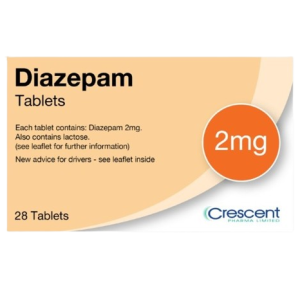
Diazepam 2mg
Price range: £ 14.99 through £ 45.89 Select options This product has multiple variants. The options may be chosen on the product page -
Diazepam
Diazepam 5mg
Price range: £ 29.99 through £ 79.99 Select options This product has multiple variants. The options may be chosen on the product page -
Diazepam
Diazepam 5mg UK
Price range: £ 29.99 through £ 89.97 Select options This product has multiple variants. The options may be chosen on the product page -
Anxiety & Depression
Hemofarm Diazepam 10mg
Price range: £ 29.99 through £ 79.99 Select options This product has multiple variants. The options may be chosen on the product page -
Anxiety & Depression
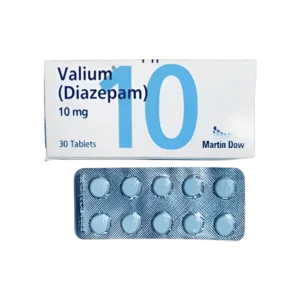
Valium Diazepam 10mg
Price range: £ 29.99 through £ 79.99 Select options This product has multiple variants. The options may be chosen on the product page





Overview
Diazepam is an anti-anxiety drug, popular for the treatment of acute or severe anxiety. It's from the benzodiazepine drug class, which acts on brain nerves to slow down hyperactivity. The drug helps to control symptoms like severe anxiety, muscle spasm, seizures, and other neurotic conditions. It acts by enhancing the activity of GABA neurotransmitters, and manages excessive activity in the brain processes.
Medical health providers may prescribe them for short term treatment of anxiety, seizures, or muscle spasms. Or, in some cases, it's used before minor medical or dental procedures to overcome anxiety related to surgery.
According to the NHS about 12.6% of US adults use benzodiazepine each year. It's more common in people above 40 and nearly twice as common in women as compared to men.
Diazepam holds a strong risk of tolerance or dependence, it should be used for short term only. According to NHS guides, it should be used for only 4 weeks in normal conditions, otherwise refer to medical help for further continuation. To order diazepam online visit Cheap UK Pills, we are a trusted platform delivering quality products with reliable delivery services. Let's take a round how diazepam can contribute to common situations:
Anxiety With Other Health Conditions
Diazepam is widely used in treating conditions where excessive CNS activity is leading to abnormal symptoms. Appropriate usage depends on understanding all factors and addressing them respectively. Below are a few health conditions that may contribute to enhancing anxiety.
Anxiety And Severe Distress
Severe anxiety issues can cause persistent worry, daytime fatigue, restlessness, difficulty in sleep and challenging to continue routine activities. Minor triggers in such situations can lead to panic attacks, where you become physically exhausted. Diazepam produces a calming effect in the brain for such conditions and gives short-term relief for symptoms in acute anxiety.
Muscle Spasm
Muscle spasm refers to a condition in which a muscle gets tight, stiff or may cause discomfort, involuntary, eventually leading to a painful experience. Diazepam shares properties of a muscle relaxant as well as calming agent. It can be helpful in muscle spasm conditions. It's significant to address underlying causes of muscle spasm if symptoms persist for long periods.
Seizures
Diazepam is considered an effective drug for management of seizures. For emergency situations of seizures, it's used as rescue medication for prolonged or repeated attacks. The form and method of administration may vary from individual case histories. Patients with epilepsy who are advised of regular seizure medicines should not drop it without medical guidance.
Alcohol Withdrawal
Alcohol withdrawal proves to be a big challenge, especially for people who have developed physical dependency. They may face anxiety, trembling, agitation, and in severe cases may encounter seizure episodes. Diazepam is one of the treatment drugs used in alcohol withdrawal, but it's never a substitute for medical advice.
Sleep Disorders
Severe anxiety leads to sleep disturbance. Fears and negative thoughts become big characters of life at that dark moment of night when least interference occurs. In this way, anxiety becomes a major reason for insomnia. For such situations, doctors may recommend diazepam, but not primarily as a sleeping pill; it's used to manage insomnia with anxiety.
Stomach Disturbance
Gastrointestinal issues get worse due to anxiety. Diagnosis to serious stomach problems like ulcer or fissure leads to severity in symptoms. Common symptoms can be stomach pain, nausea, indigestion, bloating, diarrhoea, or changes in bowel habits. Doctors suggest diazepam to control this stress, but it may face a concern, can diazepam cause constipation? And there is evidence for it. To ensure safe drug administration, always share complete medical history to get an accurate prescription by doctor.
Common Situation That Leads To Insomnia
Here are a few common situations that may develop anxiety symptoms and lead to treatment with diazepam.
- Acute Stress: Personal, professional or financial stress can intensify acute anxiety
- Severe Anxiety: Persistent worry and continuous hyperactivity of the brain lead to development of physical symptoms
- Muscle Spasm: Certain muscle injuries cause musculoskeletal problems, leading to a muscle spasm
- Neurological Conditions: Neurological problems like multiple sclerosis or spinal cord injury can lead to muscle spasm
- Alcohol Withdrawal: In case of physical dependency, sudden alcohol withdrawal can lead to potentially severe symptoms.
- Medical or Dental Procedure: To control anxiety due to procedures or minor-surgery
These are a few common and least potential causes of anxiety. Criteria for administration of diazepam will be assessed by a medical health provider after screening the severity of symptoms. Not every episode of anxiety, muscle strain, or sleep disturbance needs diazepam. Excessive usage can lead to tolerance.
Interactions
Diazepam directly acts on the central nervous system and induces a calm effect. Combining it with other medicines or substances may require more care. In case of overdosage it can lead to increased sedation, or in some cases, risk to serious breathing issues.
-
Alcohol
Alcohol carries high sedation effects, and using it with diazepam can lead to over-sedation. This overdosage can lead to serious consequences and risk difficulty breathing and waking up.
-
Opioid Based Painkillers
Drugs like codeine, tramadol, or oxycodone can give addictive, sedative effects if combined with diazepam. You may be at risk of extreme sedation or breath difficulty after using them together.
-
Benzodiazepines
Combination of diazepines with other benzodiazepines carries a risk of CNS depression. It is advised to combine under medical supervision only.
-
Sedating Anti-histamines and antipsychotic
A few drugs that are helpful for the treatment of depression and a few antihistamines also have sedative properties. Combining these with diazepam also needs medical approval.
-
Anesthesia
All anesthetic drugs which reduce activity of the nervous system, are found interacting with diazepam. Be transparent with medical health providers before going under medical procedure if you have used diazepam.
-
Grapefruit, Caffeine and other substances
According to NHS guidance we should avoid grapefruit if we are using diazepam as it is observed to increase side effects. Caffeine is found to reduce its effects, increasing alertness in the body.
In general, safety practices always share a complete list of prescription, over the counter drugs, supplements and herbal remedies in use, with your medical health officer. It will ensure health safety and accuracy of administering drugs.
Safety Precautions
-
Pregnancy And Breastfeeding
Diazepam is not recommended to use in pregnancy or in tenure of breastfeed, as it carries risk of passing on. Always seek medical advice before using it in specific conditions.
-
Breathing Problems
Diazepam holds the potential to cause extreme sedation, or difficulty breathing as benzodiazepines can depress the CNS. People facing sleep difficulty should avoid it.
-
Liver, Kidney and Heart Problems
Long-term issues with the liver, kidney or heart may change the suitability of diazepam for your condition. Doctors may need to consider medical history before referring to diazepam.
-
Older Adult
People above 40 may be more susceptible to the effects of diazepam. Prescription of diazepam for older adults needs more attention and care.
-
People With Drug History
Diazepam holds the potential for dependency. People with a history of drug addiction are more prone to develop dependence; they might need medical guidance before use.
Finding The Right Dosage
Doctors conclude diazepam after complete screening of conditions being treated, intensity of symptoms, age, complete medical history, and other medicines under use. Taking a higher dosage than advised, or taking more frequently can lead to serious consequences. Cheap UK Pills offers the following variant of diazepam, which you can choose according to your prescription.
- Bensedine Diazepam 10mg
- Diazepam 10mg UK
- Diazepam 2mg
- Diazepam 5mg
- Diazepam 5mg UK
- Hemofarm Diazepam 10mg
- Valium Diazepam 10mg
FAQs
Can you take Diazepam with Sertraline?
Sometimes, due to overlapping symptoms of anxiety and depression, doctors may prescribe a combination of Diazepam and Sertraline. But it's recommended under medical supervision only.
Can you take Paracetamol with Diazepam?
Paracetamol is a non-opioid analgesic painkiller, and it has no serious interaction with diazepam. However, for safety concerns, always use recommended doses.
Does Diazepam make you sleepy?
Diazepam is a benzodiazepine, directly acting on the CNS and producing sleepiness, drowsiness and reduced alertness after intake. It's a sedative and recommended to avoid taking with any other sedative.