
Anxiety & Depression
Showing 1–12 of 18 results
-
Alprazolam
Alprazolam 1mg
Price range: £ 34.99 through £ 84.99 Select options This product has multiple variants. The options may be chosen on the product page -
Anxiety & Depression
Bensedin Diazepam 10mg
Price range: £ 29.99 through £ 54.99 Select options This product has multiple variants. The options may be chosen on the product page -
Anxiety & Depression
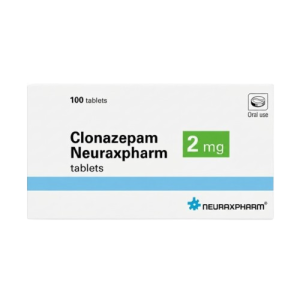
Clonazepam 2mg UK
Price range: £ 49.99 through £ 129.99 Select options This product has multiple variants. The options may be chosen on the product page -
Anxiety & Depression
Gabapentin 300mg
Price range: £ 29.99 through £ 79.99 Select options This product has multiple variants. The options may be chosen on the product page -
Anxiety & Depression
Hemofarm Diazepam 10mg
Price range: £ 29.99 through £ 79.99 Select options This product has multiple variants. The options may be chosen on the product page -
Alprazolam
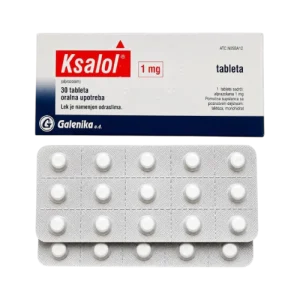
Ksalol Alprazolam 1mg
Price range: £ 34.99 through £ 84.99 Select options This product has multiple variants. The options may be chosen on the product page -
Anxiety & Depression
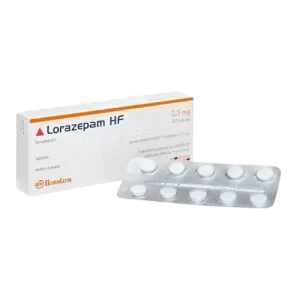
Lorazepam 2.5mg
Price range: £ 44.99 through £ 119.99 Select options This product has multiple variants. The options may be chosen on the product page -
Anxiety & Depression
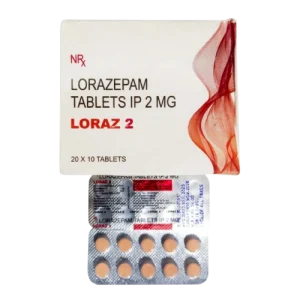
Lorazepam 2mg
Price range: £ 39.99 through £ 119.97 Select options This product has multiple variants. The options may be chosen on the product page -
Anxiety & Depression
Lorazepam 3mg
Price range: £ 49.99 through £ 149.97 Select options This product has multiple variants. The options may be chosen on the product page -
Anxiety & Depression
Nitrazepam 10mg
Price range: £ 39.99 through £ 99.99 Select options This product has multiple variants. The options may be chosen on the product page -
Anxiety & Depression
Nitrazepam 5mg UK
£ 39.99 Select options This product has multiple variants. The options may be chosen on the product page -
Anxiety & Depression
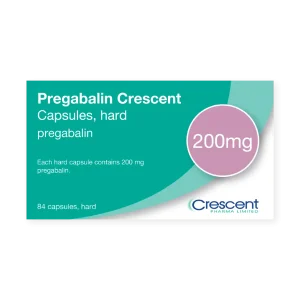
Pregabalin 200mg
Price range: £ 9.99 through £ 34.99 Select options This product has multiple variants. The options may be chosen on the product page







Anxiety and persistent sadness will impact both your psychological and physical health. You might feel difficulty in falling asleep and coping with routine tasks. These symptoms of anxiety and depression can remain for long. In this case, there is a need for immediate medical assistance. The best practices to reduce anxiety are making lifestyle changes, and joining therapy sessions. If you still continue to suffer from extreme anxiety, then doctors prescribe anxiety medication in the treatment lineup. They help to calm down the abrupt nerve signalling in your brain and restore normal functioning.
What Is Anxiety?
Anxiety and depression are psychological conditions that have a deep impact on your emotions and behaviors. The former is characterized by fear and worries, while the latter one involves the feelings of sadness, and despair.
Both disorders are not limited by any age, gender or any other characteristics. Furthermore, they are the result of some traumatic experience, constant stress, and physical illness. If you suffer from any of these issues, try to identify the cause of these problems. There are many people who deal with such difficulties at different times of their lives. It’s manageable and the treatment can cause long-term relief.
Symptoms
The release of adrenaline and cortisol in a stressful environment prepares the body to cope with anxiety. As a result the user face some physical symptoms of anxiety such as:
- Racing heartbeat
- Sweating
- Trembling or shaking
- Nausea
- Dry mouth
- Breathing problems
- Dizziness
- Muscle tension
Other than the physical symptoms stated above, anxiety and depression may also cause changes in how you react. Some of the psychological symptoms include:
- Excessive worry
- Feeling sad and helpless
- Problems with concentration
- Irritability
- Problems with sleep or sleeping too much
- Losing interest in everything
- Feeling tired
- Inability to relax
How to Diagnose?
If you feel anxious occasionally then, it's normal and part of life. But if the anxiety persists from day to night, over trivial matters, then it's concerning. You should visit the doctor and seek advice.
The medical expert will discuss your symptoms and ask about the medical history and recent life events. The discussion might include your sleep patterns, level of stress, general lifestyle, and medications or substances consumed which might contribute to your symptoms. In this way, he/she can identify what is actually triggering your anxiety.
There are some possible causes of anxiety and depression listed below:
- Thyroid issues
- Heart diseases
- Asthma or any other respiratory disorders
- Low blood glucose levels
- Withdrawal from alcohol consumption
- Caffeine or nicotine abuse
- Other illnesses
Identifying the underlying cause is an important step before deciding on the most appropriate treatment. In many cases, the medication will not be recommended at first, especially if it is not absolutely necessary in your particular case.
Treatment
The kind of treatment you need for anxiety and depression is going to depend on how serious your symptoms are and what causes them. Most likely, your health care provider will advise you to try other options that don’t involve medication first.
Other therapies that don’t include medications can be very effective. They include CBT, counselling, mindfulness, meditation, relaxing techniques, and self-help therapy programs. Exercise, sleeping properly and online mental health support might also work to improve your symptoms.
In case none of those methods helps or your symptoms are severe, your physician might advise you to take medication. The kind of drugs you’ll be taking depends on your symptoms and health condition
For short-term management of severe symptoms of anxiety, medicines such as Diazepam and Lorazepam can be used. They relax the nervous system. Pregabalin may be advised for some persons with generalised anxiety disorder (GAD) when other treatment choices are not suitable. In some cases, drugs such as Gabapentin may also be recommended for particular illnesses when your healthcare expert believes they are appropriate. Nitrazepam can be used for short periods to help you sleep if you have disturbed sleep due to anxiety and the cause of the anxiety is being treated.
These drugs should always be taken under medical supervision as they are not suitable for everyone and some are only indicated for short term usage.
Prevention
There are situations where it is not possible to prevent either anxiety or depression. However, developing healthy living practices and adopting good coping skills can reduce chances of getting affected.
Cognitive Behavioral Therapy (CBT) is known to be among the most effective methods of handling anxiety. It will enable you to identify harmful beliefs and develop new healthy ones.
Other things that can be tried include:
- Using mindfulness and meditation as well as learning how to relax
- Performing physical exercises regularly in order to improve mood and decrease stress
- Having good sleeping routine
- Following healthy dietary choices and not consuming large amounts of alcohol and caffeine
- Having good relationship with family and friends
- Getting help in time for the persisting symptoms
It takes time to develop good habits. But, once they are built, they provide long term relief from these problems. Try making minor changes in the routine. Build the habits gradually, it's the best way towards betterment. However, if the situation is uncontrollable, visit the medical officer.
FAQs
Can anxiety and depression be treated without medication?
There are many individuals who find non-medicinal treatment options helpful. Such treatment includes cognitive behavioural therapy, counseling, mindfulness, meditation, exercise, etc. However, they can use medicines, if this doesn’t help.
What kind of medicines are there to treat anxiety?
Depending on the type of symptoms that you are experiencing and your medical history, you could be prescribed medicines that would work temporarily such as Diazepam or Lorazepam.
Can anxiety impact my sleeping routine?
Anxiety makes it hard to sleep, remain asleep, or have a peaceful sleep. Chronic sleep disorders might make anxiety symptoms worse. Management of anxiety by means of lifestyle modifications, therapies, and treatment options can assist you with getting sleep.