
Pain Relief
Showing 1–12 of 21 results
-
Co-Codamol
Co-Codamol 30/500mg
Price range: £ 39.99 through £ 49.99 Select options This product has multiple variants. The options may be chosen on the product page -
Co-Codamol
Co-codamol 8/500mg
Price range: £ 29.99 through £ 49.99 Select options This product has multiple variants. The options may be chosen on the product page -
Codeine Phosphate
Codeine Phosphate 15mg
Price range: £ 29.99 through £ 79.99 Select options This product has multiple variants. The options may be chosen on the product page -
Codeine Phosphate
Codeine Phosphate 30mg
Price range: £ 49.99 through £ 149.97 Select options This product has multiple variants. The options may be chosen on the product page -
Codeine Phosphate
Codeine Phosphate 30mg – 100 tablets
Original price was: £ 179.99.£ 169.99Current price is: £ 169.99. Select options This product has multiple variants. The options may be chosen on the product page -
Codeine Phosphate
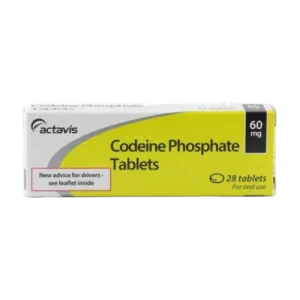
Codeine Phosphate 60mg
£ 89.99 Select options This product has multiple variants. The options may be chosen on the product page -
Dihydrocodeine
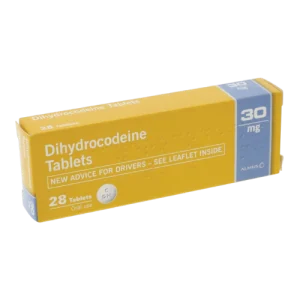
Dihydrocodeine 30mg
Price range: £ 39.99 through £ 189.99 Select options This product has multiple variants. The options may be chosen on the product page -
Dihydrocodeine
Dihydrocodeine 30mg (Limited Time Offer)
Original price was: £ 56.00.£ 52.99Current price is: £ 52.99. Select options This product has multiple variants. The options may be chosen on the product page -
Dihydrocodeine
Dihydrocodeine Continus 120mg
Price range: £ 239.99 through £ 719.97 Select options This product has multiple variants. The options may be chosen on the product page -
Dihydrocodeine
Dihydrocodeine Continus 60mg
Price range: £ 119.99 through £ 359.97 Select options This product has multiple variants. The options may be chosen on the product page -
Dihydrocodeine
Dihydrocodeine Continus 90mg
Price range: £ 179.99 through £ 539.97 Select options This product has multiple variants. The options may be chosen on the product page -
Anxiety & Depression
Lorazepam 3mg
Price range: £ 49.99 through £ 149.97 Select options This product has multiple variants. The options may be chosen on the product page







Pain is one of the most prevalent health problems. The intensity of the pain can vary from mild to serious affecting your normal life routine. The sensation can differ based on the cause, the intensity, and the part of the body it affects. You might develop pain as a result of an injury, illness, inflammation, or an underlying medical condition. No matter what kind of pain you suffer from – acute or chronic, it can make your daily activities hard and can cause troubles with sleep. Fortunately, many types of pain can be managed with the right treatment. Over-the-counter drugs provide effective and sustaining pain relief without causing much side effects. They are efficient in case of headaches, muscle pain, menstrual pains, and other problems.
What Is Pain and What Are Its Causes?
Pain is the body's normal response to injury, disease or some other medical condition. It might be mild or severe, short-lived or persistent, depending on its cause.
Pain can be different for everyone. The pain could be sharp, dull, burning, throbbing, or hurting, and it could start in one place or spread to more than one area of the body. Pain usually improves once the cause has been treated. But if it lasts for weeks or months, it is called persistent pain.
Causes of pain may include:
- Sprains, strains or broken bones
- Headache and migraines
- Joint, muscular or back problems
- Menstrual cramps
- Tooth troubles
- Infections, inflammation or other medical issues.
- Nerve injury or long-term health issues
How is Pain Diagnosed?
The first step in diagnosing pain is a thorough assessment to determine the cause and severity. In most circumstances, your healthcare expert can identify the cause through a discussion of your symptoms, medical history, and a physical examination. More tests can be necessary only if there is suspicion of an underlying condition.
Your health care provider may inquire about:
- Where the discomfort is located and for how long it has been there?
- What does the pain feel like dull, acute, throbbing, scorching?
- What makes the pain worse?
- Your medical history, including any existing health conditions.
- How pain is impacting on your sleep, work, movement and everyday activities
You will also be questioned on the types of pain relief methods that you have previously used. It includes prescribed medications, non-prescribed medications, or any alternative forms of medicine. Your healthcare professional gets an understanding of what could be causing your pain and how to treat it properly.
How Can I Prevent Pain?
Although you can’t always prevent pain, good lifestyle practices can minimize your chance of disease and many common pain disorders. Taking care of your mental and physical health can also help you get better faster and deal with pain better.
You can prevent pain by:
- Early treatment of disease and injury
- Getting enough quality sleep each night
- Do frequent exercise to build up your strength and flexibility
- Keeping a healthy weight to lessen the stress on your joints
- Eating a healthy diet include plenty of fruit and vegetables
- Dealing with stress with relaxation or other good coping skills
- Back pain can be avoided with correct posture and lifting techniques.
- Good oral hygiene to reduce the risk of dental pain
These steps can help reduce your risk of experiencing pain. If your pain does not go away, gets worse or starts to interfere with your everyday life. You should consult a health care provider to find out the reason for your pain and discuss the best way to treat it.
Treatment
What can be considered the best method for treating pain? It depends on the root cause of the pain, the pain intensity and how long you’ve been experiencing symptoms. Given the fact that pain is often a symptom of an injury, an illness or any other medical issue. Treating the underlying cause is the first step towards effective pain management. In some instances, pain goes away when the underlying condition starts healing itself. At times, pain management drugs are needed when there is a need to treat the root cause of pain.
If the pain persists even after identifying or treating the cause, in this case pain relief medication can help manage your symptoms. What type of medicine is prescribed would be determined by how severe the pain is, its cause, and what else you need for your health condition. In many cases, mild pains can be treated using over-the-counter pain relievers. Moderate to severe pains would need prescription medicines. Taking the correct pain medication helps reduce the pain and also improve daily chores.
Opioid Analgesics
Opioid analgesics are medications used in treating moderate to severe pain that is not relieved by other painkillers. These medicines are recommended during the postoperative period. They can be recommended after surgery after serious trauma or injuries. Also, treating patients with chronic diseases whose lives are substantially affected by pain.
Opioid analgesics act by stimulating opioid receptors in the central nervous system and blocking transmission of pain impulses in the body. Being potent medications, opioid analgesics are prescribed for the shortest period of time and in the minimum doses which can relieve pain. Your health care provider may adjust your dose depending on your symptoms and how you are responding to treatment.
Some common side effects of opioid analgesics include:
- Sleepiness
- Nausea
- Constipation
- Dizziness
The usage of opioids for a long time may cause tolerance, dependency and withdrawal symptoms in case of abrupt discontinuation of the treatment. That is why you should take opioid medications only in the prescribed doses.
Some examples of opioid analgesics include:
- Codeine Phosphate
- Dihydrocodeine
- Tramadol
Neuropathic Pain Medications
Neuropathic pain drugs are used to treat nerve pain. It happens when the nerves are injured or do not work properly. They function by reducing the hyperactive nerve signals. The drugs are often prescribed for chronic nerve pain conditions such as diabetic neuropathy, post-herpetic neuralgia, sciatica, and fibromyalgia.
They are administered when regular painkillers are unlikely to work. Treatment often starts with a low dose which may be increased gradually to get maximum relief and low side effects
The more common side effects may include:
- Dizziness
- Drowsiness
- Blurred vision
- Dry mouth
- Weight gain
There are some side effects that don't appear as your body gets used to the medication. Always follow the instructions of your healthcare provider and never discontinue treatment without their guidance.
Some of the medicines used for neuropathic pain treatment are as follows:
- Pregabalin
- Gabapentin
Your doctor prescribes these medicines depending upon the type of pain you have, your health condition, and the requirements of your treatment.
Important Considerations
Pain relief drugs are very efficient if taken as prescribed. However, some medicines may cause side effects. You need to take them for a short period of time, meanwhile avoid combining them with other drugs. Do not exceed the recommended dose and always use pain medicines according to your doctor’s instructions. If your pain does not go away, gets worse or you suffer from persistent side effects, consult a doctor before taking more of your pain medicines.
Medications are not the only method to treat pain. Depending on the cause of your symptoms, your healthcare provider may recommend other treatment methods, such as physiotherapy, TENS (Transcutaneous Electrical Nerve Stimulation), nerve blocks, acupuncture and massage therapy. These types of treatment are often combined with medicines in order to help treat chronic or neuropathic pain.
FAQs
Can I use painkillers for ongoing pain?
Pain-relieving medicines can be used short-term, as well as long-term, for the treatment of chronic pain. The long-term use of these medicines is always taken under the supervision of a health professional, since some medicines might have unwanted effects and dependence when wrongly used.
When should I see a doctor because of pain?
You should visit a healthcare professional if you feel the strong pain, the pain lasts for a long period, if it repeats, if it interferes with your everyday life.
Are there any treatments for pain other than medicine?
Yes. Based on the source of your pain, there are different types of treatment that could help you. Manage your pain such as physiotherapy, TENS (transcutaneous electrical nerve stimulation), nerve blocks, exercise programs, and others.