
Dihydrocodeine
Showing all 5 results
-
Dihydrocodeine
Dihydrocodeine 30mg
Price range: £ 39.99 through £ 94.99 Select options This product has multiple variants. The options may be chosen on the product page -
Dihydrocodeine
Dihydrocodeine 30mg (Limited Time Offer)
Price range: £ 52.99 through £ 156.00 Select options This product has multiple variants. The options may be chosen on the product page -
Dihydrocodeine
Dihydrocodeine Continus 120mg
Price range: £ 239.99 through £ 719.97 Select options This product has multiple variants. The options may be chosen on the product page -
Dihydrocodeine
Dihydrocodeine Continus 60mg
Price range: £ 119.99 through £ 359.97 Select options This product has multiple variants. The options may be chosen on the product page -
Dihydrocodeine
Dihydrocodeine Continus 90mg
Price range: £ 179.99 through £ 539.97 Select options This product has multiple variants. The options may be chosen on the product page

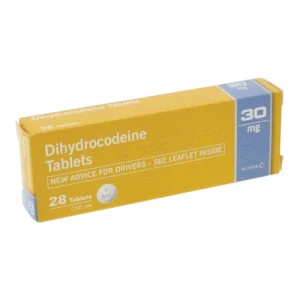

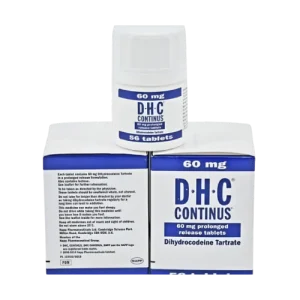
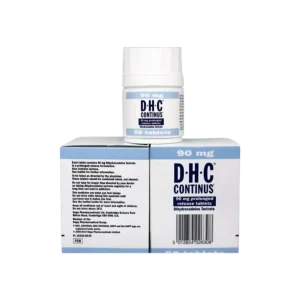
Dihydrocodeine is an opioid-based painkiller used to obtain relief in mild to severe pains. It's considered to be one of the strongest painkillers which provides relief when other available painkillers are less effective. It works by blocking pain signals to the brain and making pain management easier.
Due to opioid as base ingredients it carries sedative effects with excessive dizziness, constipation or nausea. To avail optimal health benefits and avoid side effects, it's essential to use drugs under medical guidelines.
Dihydrocodeine tablets are available at Cheap UK Pills. It is an online medical store that provides original medicines sourced from reputed manufacturers.
Managing Pain With Other Health Conditions
Pain management becomes challenging when intensity is severe. For certain health conditions, conventional painkillers fail to relieve pain. In such conditions medical health advisors prescribe opioid based drugs for stronger and heavier doses of sedative. Dihydrocodeine performs well and helps to manage mild to severe pain reducing distress. Below are a few health conditions that could co-exist with pain with a different underlying reason.
Arthritis
Arthritis can be a reason for persistent pain, stiffness in joints and inability of movement. When regular painkillers fail to control pain, medical health professionals consider opioid based painkillers for short term management of pain. Dihydrocodeine has the capability to treat mild to severe pains for a short term, but it's crucial to identify the underlying cause of pain and its treatment.
Sciatica
Sciatica is a condition when a muscle or vein in the lower back gets compressed or irritated. It initiates pain from the buttock to lower leg, and in worse episodes it has the potential to reduce your movement, activities and even sleep. Dihydrocodeine proves effective for short-term management of conditions when other drugs are not working any more.
Fibromyalgia
This condition is associated with constant pain, dullness, fatigue and tenderness in the body. Normally, opioids are not considered a safe solution for fibromyalgia, but assessment of the situation may refer to dihydrocodeine. If it's prescribed by a medical health professional, it must be consumed as per guideline, violation carries serious risks.
Back pain
Back pain is one common pain that can be due to strain, injury, spinal problems, or other underlying causes. When pain becomes severe and other painkillers fail to control pain, dihydrocodeine may be prescribed as a short-term approach to deal with pain. After screaming dihydrocodeine may be prescribed for a few cases, but it shall not be considered a long term solution for every back pain.
Cancer-related pain
Cancer comes with acute stress and painful symptoms. Its treatment itself is a painful journey. To support treatment opioid drugs are used as part of pain management to acquire high analgesic effects. Dihydrocodeine is prescribed to certain levels of cancer-related pains, depending on the severity of symptoms.
Post-surgical pain
Pains after procedure and major surgeries are usually severe and need strong-effective support for healing and recovery. Depending on the condition, sometimes dihydrocodeine is prescribed after surgical procedures when other painkillers are not enough. But it's advised to use for the shortest appropriate period of time, as using for longer periods carries risk of dependence or tolerance.
Common Situations Leading to Pain
Sources of pain could be injury, medical procedure or physical strain. Few pains are low to mild, which can be handled by regular painkillers, in contrast few pains are mild to severe, which needs strong opioid based drugs to get relief. Below are few common situations that can lead to situations inducing pain
- Injuries and accidents: Fractures, sprains, falls, or other injuries can lead to pain
- Surgery and medical procedures: Sometimes recovery becomes challenging especially when it's after surgical procedures and may require temporary prescription pain relief.
- Dental procedures: Dental pains are worse, hitting brain nerves. Dental extraction or any minor dental surgery needs strong painkiller support throughput
- Muscle or joint injuries: Muscle strains, sprains, or compression in any soft-tissue may also be the reason for mild to severe pain.
- Severe back or neck pain: Physical strain, injury, or hectic work can lead to back pain with potential interferes with normal activities
- Post-injury recovery: Pain becomes a partner throughout recovery from injury
Prevention
Drugs are short-term management systems carrying chances of side effects, whereas to maintain a healthy life cycle, there are few safety practices that naturally root out problems. To address pain below are few health care habits:
-
- Maintain Good Posture, saves you from muscle pulling or back pain
- Exercise Safely is protection rule, otherwise harsh exercise can result in adverse effects
- Prevent Injuries, be cautious in movement, driving or playing
- Follow Post-Surgery Care for effective treatment
- Manage Existing Health Conditions along with management of pain, otherwise relief will fade out as drug effects is gone
- Seek Medical Advice for Persistent Pain for longer period, every pain is not intended to resolve with painkillers
Finding the Right Dosage
A drug dosage is called right if it serves the desired action without producing serious side effects. Appropriate potency is one that fits in patients' condition without intensifying things. For mild pains like muscle pain or arthritis pain, a low dose of Dihydrocodeine 30mg can give sufficient relief from pain. But for intense cases, higher potency is prescribed with complete assessment of condition, medical history and individual’s response toward drugs.
At Cheap UK Pills dihydrocodeine is available in following variants:
FAQs
What are dihydrocodeine side effects?
In general, dihydrocodeine can result in nausea, constipation, vomiting, dizziness or dry mouth. Whereas in serious concerns over excessive dosage it can threaten slow or difficult breathing, severe allergic reactions, confusion, or extreme sleepiness.
What is dihydrocodeine addiction treatment?
Addiction treatment of dihydrocodeine will consist of complete medical assessment along with a structured plan to gradually reduce opioid. The strategy is strictly formulated around drug dependence intensity along with severity of symptoms.
Can we take dihydrocodeine and sertraline together?
Both drugs risk oversedation that’s why it should never be combined without medical guidance. In clinical setup, for specific conditions it can be given together but under medical supervision only.
Dihydrocodeine vs codeine, which is stronger?
Dihydrocodeine is considered stronger in terms of milligram potency, but that doesn't mean they are interchangeable. Their effects can be diverse individually. Selection of opioid and dose shall always be consumed with advice from a medical professional only.