
Sleeping Pills
Showing 1–12 of 28 results
-
Alprazolam
Alprazolam 1mg
Price range: £ 34.99 through £ 84.99 Select options This product has multiple variants. The options may be chosen on the product page -
Anxiety & Depression
Bensedin Diazepam 10mg
Price range: £ 29.99 through £ 54.99 Select options This product has multiple variants. The options may be chosen on the product page -
Anxiety & Depression
Clonazepam 2mg UK
Price range: £ 49.99 through £ 129.99 Select options This product has multiple variants. The options may be chosen on the product page -
Diazepam
Diazepam 10mg UK
Price range: £ 49.99 through £ 149.97 Select options This product has multiple variants. The options may be chosen on the product page -
Diazepam
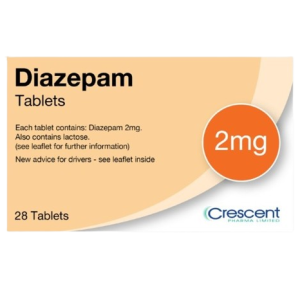
Diazepam 2mg
Price range: £ 14.99 through £ 45.89 Select options This product has multiple variants. The options may be chosen on the product page -
Diazepam
Diazepam 5mg
Price range: £ 29.99 through £ 79.99 Select options This product has multiple variants. The options may be chosen on the product page -
Diazepam
Diazepam 5mg UK
Price range: £ 29.99 through £ 89.97 Select options This product has multiple variants. The options may be chosen on the product page -
Anxiety & Depression
Hemofarm Diazepam 10mg
Price range: £ 29.99 through £ 79.99 Select options This product has multiple variants. The options may be chosen on the product page -
Alprazolam
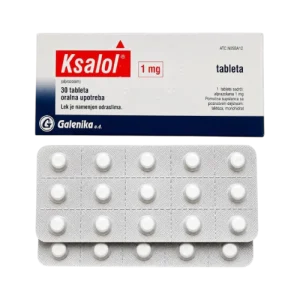
Ksalol Alprazolam 1mg
Price range: £ 34.99 through £ 84.99 Select options This product has multiple variants. The options may be chosen on the product page -
Lorazepam
Lorazepam 1mg UK
Price range: £ 49.99 through £ 145.99 Select options This product has multiple variants. The options may be chosen on the product page -
Anxiety & Depression
Lorazepam 2.5mg
Price range: £ 44.99 through £ 119.99 Select options This product has multiple variants. The options may be chosen on the product page -
Anxiety & Depression
Lorazepam 2mg
Price range: £ 39.99 through £ 119.97 Select options This product has multiple variants. The options may be chosen on the product page










Sleeping pills
Being unable to fall asleep when lying awake for hours or being frequently disturbed during the night due to insomnia can be frustrating. Insomnia does not happen due to one bad night’s sleep. Long-time sleep disorders can affect a person’s energy levels, moods, focus and general state of health. Some reasons that cause this condition include stress, anxiety, depression, and certain sleeping habits. Determining the exact reason is a crucial factor in finding treatment for the problem and avoiding further complications. Applying some of the sleep habits such as maintaining sleep hygiene, cutting down caffeine and developing a comfortable sleeping environment will result in significant progress to the sleeplessness. Also, using sleeping pills can be quite efficient in terms of restoring the natural sleep cycle that leads to a healthy lifestyle.
What is Insomnia & What Causes It?
Insomnia refers to a condition that is likely to impact your sleep in terms of quality, and duration. You may feel unrefreshed despite having spent sufficient time in bed.
The number of hours of sleep that each person requires is different, though the general figure for adults is about 7 to 8 hours of quality sleep. When you fail to obtain the required amount of sleep on a regular basis, then you will find it harder to do things and feel tired all day.
Insomnia may be caused by:
- Stress, anxiety or depression
- Bad sleeping habits or sleep disorder
- Drinking alcohol, coffee or smoking right before going to bed
- Uncomfortable and/or noisy sleeping environment
- Persistent pain or other medical conditions
- Some medications which influence sleeping process
Insomnia can often disappear after solving the root of this problem. At the same time, sometimes it can persist for weeks and months, so it is crucial to find its causes and choose the most efficient treatment
Symptoms of Insomnia
There are various signs of insomnia that affect people differently. Most people have sleep disturbances at night and daytime fatigue. The symptoms include:
- Difficulties in falling asleep
- Frequent waking up during the night
- Early waking up and having problems getting back to sleep
- Feeling tired after sleeping
- Daytime fatigue or drowsiness
- Problems with concentration, memory, and motivation
- Being irritable and having low mood or anxiety
How is Insomnia Diagnosed?
Insomnia is normally diagnosed by a doctor through an examination and does not necessarily require complicated tests. The doctor will inquire about the details of your sleep behavior, duration of insomnia symptoms, and amount of stress. Sometimes your doctor will ask you to keep a sleep diary for a few weeks to better understand your sleep patterns. A sleep diary will record your bedtime, wake time & number of nighttime awakenings. This would help to determine the exact cause of the problem & recommend the right treatment to you.
How Can I Prevent Insomnia?
In many cases of insomnia, good sleep and some simple changes to your lifestyle could solve the problem. Although this won’t be able to prevent every case of insomnia from arising, it can lower the chances of suffering from sleep problems. Also, allow you to have better nights of sleep.
Daytime habits
- Always have a consistent sleep schedule even on weekends.
- Regular physical exercise but avoid rigorous exercise right before sleeping
- Try not to take a nap in the late hours of the night.
- Use techniques such as relaxation, meditation, reading, etc., for stress management.
Bedtime habits
- Do not drink coffee, tea, or smoke before bedtime.
- Don’t eat heavy meals at night.
- Do not engage in any activity using electronic screens at least an hour before sleeping.
- Go to bed when sleepy and always follow your normal bedtime ritual.
Bedroom environment
- Your bedroom should be silent, dark, and comfortable temperature wise.
- Choose the right mattress and comfort.
How Can I Treat Insomnia?
Modifying your sleep habits and introducing other changes in your life are the first things to consider in the treatment of insomnia. Easy modifications will help you have a better sleep. Stick to a certain bedtime schedule, avoid coffee and alcohol consumption at night, minimize the use of electronic devices before going to bed. The use of stress management techniques can also be effective for your sleep problems.
Cognitive Behavioural Therapy for Insomnia (CBT I)
One of the best long-term insomnia treatments is CBT I (Cognitive Behavioural Therapy for Insomnia). This treatment identifies and addresses the factors that get in the way of good sleep. The treatment program usually includes:
- Stimulus control technique to enhance association between your bed and sleep.
- Sleep restriction technique to boost sleep efficiency through controlling your time in bed.
- Relaxation methods to relieve stress and racing thoughts before sleeping.
- Cognitive therapy to counter negative ideas and concerns about sleep with adaptive ones.
Insomnia medicines can be recommended when your sleep troubles are significant. Last more than a few weeks, or have not gone away in spite of practicing good sleep habits and making adjustments to your lifestyle. Sleeping tablets are supposed to help you improve your sleep by extending your sleep duration and enhancing the quality of sleep. They are usually recommended only for short periods of time since they will not address the root cause of your insomnia. Using them for long periods of time may result in developing dependence and decreased efficacy along with daytime drowsiness in some people.
There are several classes of sleeping tablets available to treat insomnia. Each works in a different way, and the main differences are outlined below.
Over-the-counter sleep pills - These medicines contain antihistamines that sedate people to make them sleepy and provide a temporary solution to insomnia. They are good for temporary problems of insomnia but not meant for long-term use. The side effects can include drowsiness during the daytime, a feeling of being hungrier, dry mouth or reduced alertness.
Benzodiazepines – These sleeping drugs help to calm the nervous system, relieve patients from anxiety and induce sleep. They are used for treating serious or temporary insomnia that cannot be solved by any other means. Tolerance and addiction to the medicine make it difficult to take for a long time. So they should be used only for a short period. Nitrazepam belongs to such benzodiazepines class.
Z-drugs – the majority of Z-drugs are used for the treatment of insomnia and act like benzodiazepines. The duration of their use should not exceed 2 to 4 weeks. Zolpidem and Zopiclone are the medications that help to fall asleep faster and stay asleep longer.
Melatonin – Melatonin is a hormone that regulates the body's circadian rhythm. These medicines help adult patients who may have difficulty sleeping, especially if they are above the age of 55. This hormone facilitates the normal sleep-wake cycle by helping the body recognize when it is time to go to sleep.
FAQs
What causes insomnia?
There can be various causes of insomnia including stress, anxiety, depression, improper sleep pattern, shift work, certain drugs, pain disorders, and wrong sleeping environment. Several factors can contribute to the person’s problem in getting sufficient sleep.
How long can insomnia last?
In most cases temporary insomnia is a temporary condition that can last from a few days up to few weeks. The issue can go away after the person copes with the cause of his problem. Chronic insomnia occurs when a person suffers from the problem for at least three days a week for three months.
What medicines are used to treat insomnia?
You can use over the counter sleeping pills like Zopiclone and Zolpidem. There are also some natural remedies that can help you treat sleeplessness like chamomile tea, lavender tea and warm milk before going to bed.